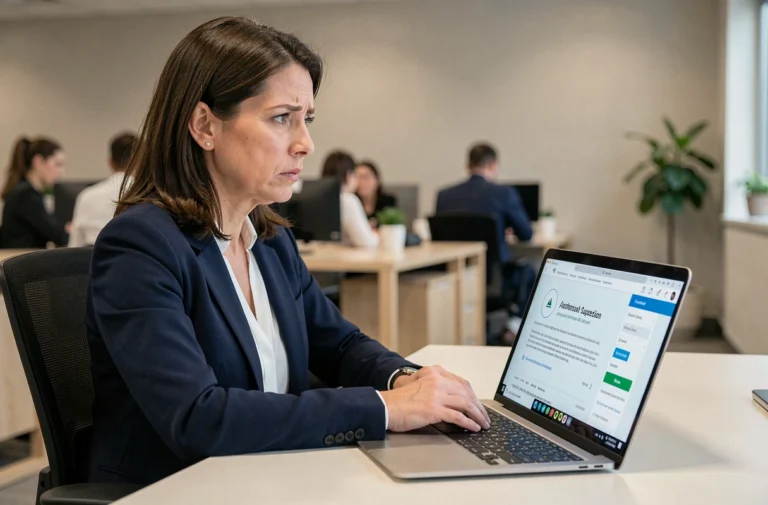
In Paris and Île-de-France, optimizing student space is essential to adapt to urban density and the growing needs of school populations. Educational institutions face unique challenges in terms of limited space and high demand. They must therefore make the most of every square meter with ingenuity. This involves using modular furniture, integrating compact educational technologies, and designing multifunctional spaces. Collaborating with local authorities for the use of adjacent public spaces can offer creative solutions to extend educational possibilities beyond the school walls.
Maximize the features of the ENT for effective academic monitoring
In the educational ecosystem of the Paris region, the ENT Île-de-France, a platform like Monlycée.net, serves as a pillar for managing and monitoring students’ education. These digital workspaces, supported by the Ministry of National Education, are part of a modernization effort in pedagogical practices. They offer multiple features ranging from checking grades and the homework diary to direct communication between educational stakeholders.
Find in the use of the ENT an opportunity to develop the digital culture required by our time. Law No. 2013-595 of July 8, 2013, emphasizes the duty of digital education, positioning national higher education institutions and schools at all levels in their responsibility to teach an informed and critical use of digital tools. This legal framework outlines a path toward teaching that aligns with contemporary issues of personal data protection and digital citizenship.
Consider applications like Pronote, which allow for the consultation of detailed school information and facilitate communication between the educational sphere and families. These tools dematerialize essential aspects of school life, enabling optimized management of workspaces for both teachers and students. This optimization contributes to better organization of educational tasks and an effective centralization of educational resources.
The Competency Framework for Teaching and Education incorporates mastery of these virtual spaces as an essential skill for any teacher. Beyond practical aspects, it is about instilling an approach that makes the ENT a lever for the school year, a tool for learning and personalized support. In the Paris region, the adoption of these platforms by educational stakeholders is a necessity, a reflex to cultivate for an education firmly rooted in its time.

Practical tips for optimal use of student space
In your daily navigation of your personal space, securing your data is crucial. Take care of your username and password as keys to your digital privacy. Access to the workspace must be protected against any attempt at identity theft: do not share your login information and be sure to change it regularly to limit risks.
Approach social media with an ethical behavior. Cyberbullying, attacks on e-reputation, and violations of image rights are issues that find fertile ground in malicious internet use. Educate yourself and raise awareness among your peers about these issues; every student must be a responsible digital citizen. A guide provided by educational authorities establishes rules for good digital use that contribute to a healthy learning environment that respects everyone’s rights.
Know that respecting intellectual property is paramount in the academic world. Combat plagiarism by valuing original creation and meticulously citing your sources. The ENT offers tools to assist you in this process, such as reliable databases and anti-plagiarism software. Freedom of expression finds its true meaning in sharing authentic and thoughtful ideas, and it is by cultivating this respect that you will fully benefit from the opportunities offered by your student space.