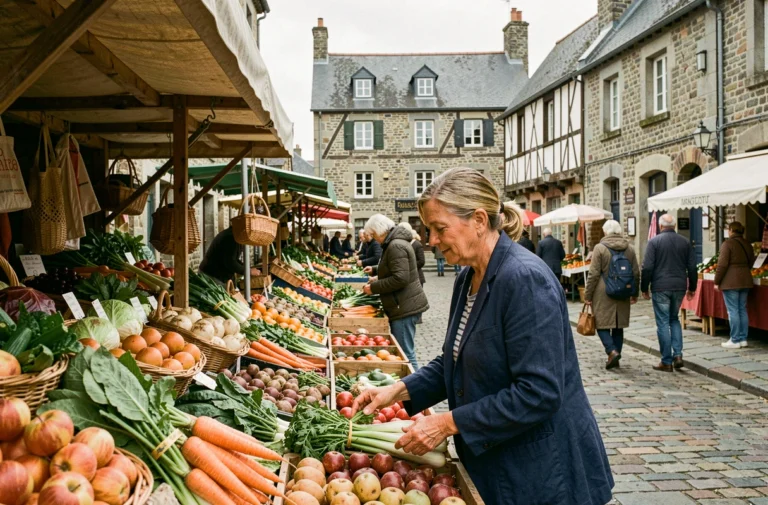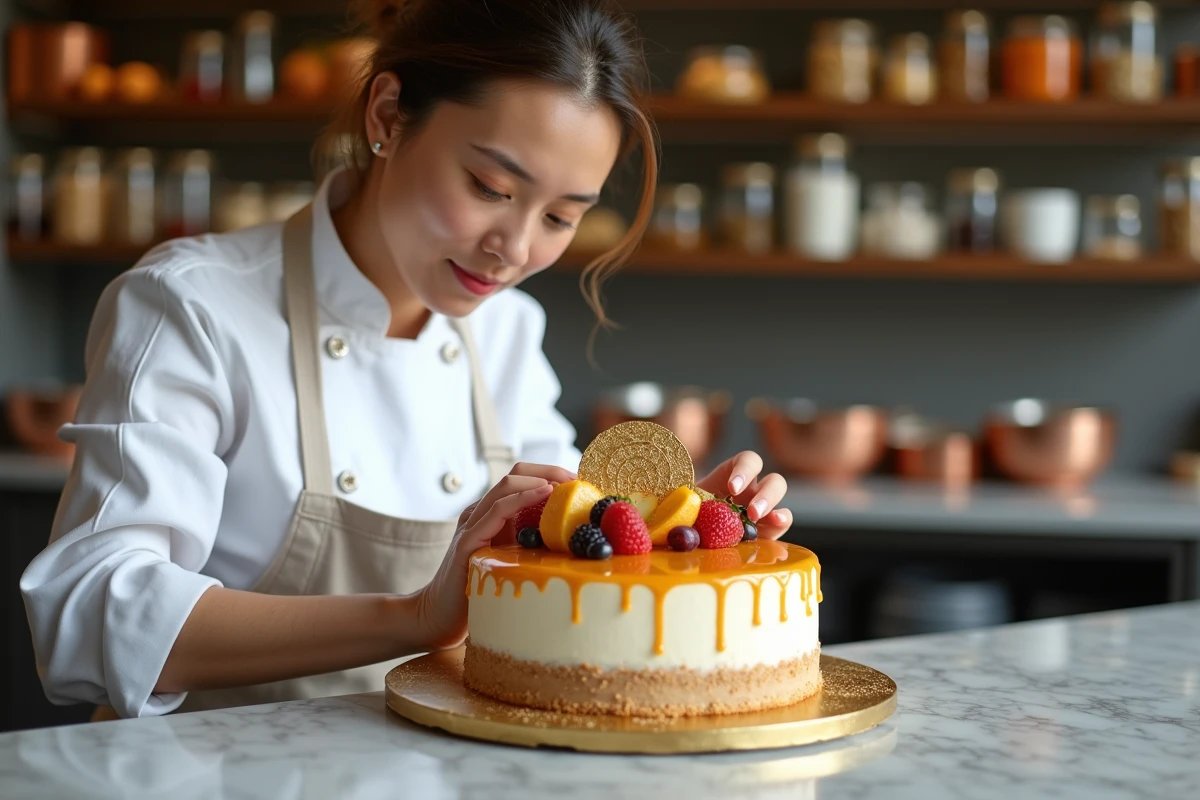
A neighborhood restaurant launching a summer menu focused on fermentation, a pop-up market where producers serve directly in reusable containers, a Parisian festival displaying its carbon goals at each stand: the most revealing culinary innovations can be spotted on the ground, observing what is changing concretely on the plate and in the organization of culinary events.
Low-carbon culinary events: what is really changing on the ground
Most guides list festivals by date and city. We prefer to start from a practical observation: when attending a gourmet event today, the first thing that strikes you is the tableware. Disposable cups are disappearing, replaced by deposit-returnable or edible containers.
This shift goes beyond mere accessories. Several major culinary events in France, such as Taste of Paris or We Love Green, now incorporate environmental charters with plant-based menus and short supply chains imposed on exhibitors. Organizers limit red meat, favor plant proteins, and require local sourcing to reduce the carbon footprint of the menus served on-site.
For us who follow the news from La Cuillère aux Mille Délices, this shift is anything but anecdotal: it redefines how chefs design their ephemeral recipes for these events.
Recent programming shares three recurring themes:
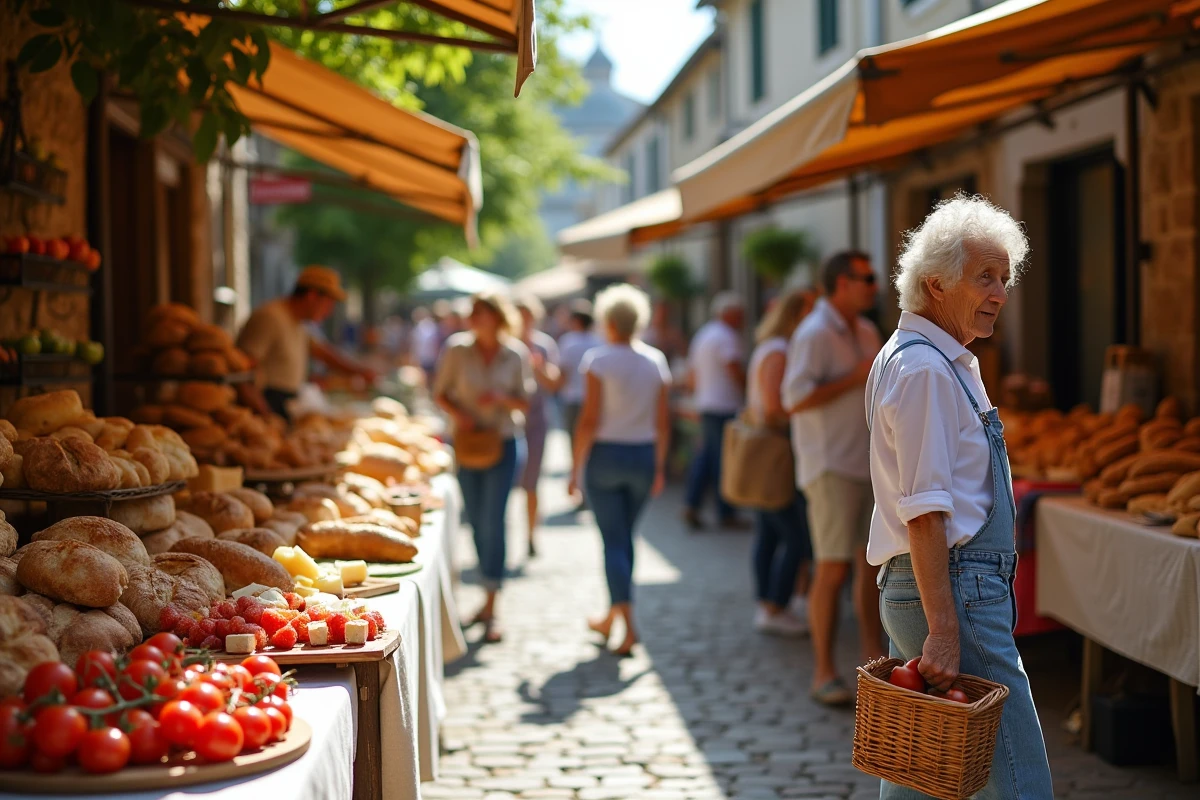
- The requirement for stands to source the majority of their products within a limited radius around the event location, which encourages chefs to work with seasonal ingredients that are sometimes unfamiliar to the general public.
- The gradual elimination of individual packaging, replaced by sharing formats or deposit-return systems with refundable deposits at the exit.
- The display of the estimated carbon footprint of each dish on the menu, a practice that was still marginal two years ago but is gaining ground in Parisian and Lyonnais festivals.
Gourmet tourism and city breaks: gastronomy as a driver of stay
When planning a weekend in Lyon or a short stay in Paris, culinary programming increasingly weighs in on the choice of destination. It is no longer a bonus; it is a booking criterion. Tourist offices have understood this.
For several years, organizations like Atout France have placed gastronomic festivals and gourmet markets at the center of their international campaigns. Gourmet tourism is no longer a niche segment: culinary events are becoming the main argument for city breaks, with attendance indicators dedicated to the food aspect.
This is evident on the ground with formats that did not exist five years ago. Ephemeral dinners, for example, transform an unexpected location (courtyard, artist’s studio, industrial wasteland) into a one-night restaurant. The chef works with local products, and reservations are often made by word of mouth or via social media, without a centralized platform.
Formats that attract visitors off-season
Truffle markets in Provence and Périgord illustrate this logic well. Scheduled in winter, they attract a passionate audience at a time when tourist activity usually slows down. A well-organized truffle market generates a flow of visitors comparable to a small summer festival.
The Overseas Gastronomy and World Cuisines Fair plays a similar role on a different scale: it offers flavors rarely accessible in mainland France and attracts a curious audience that would not travel for a traditional food fair.
New recipes and products: spotting trends before they become commonplace
Culinary trends often emerge in restaurants before spreading to festivals and then to home kitchens. Currently, we are observing some clear movements.
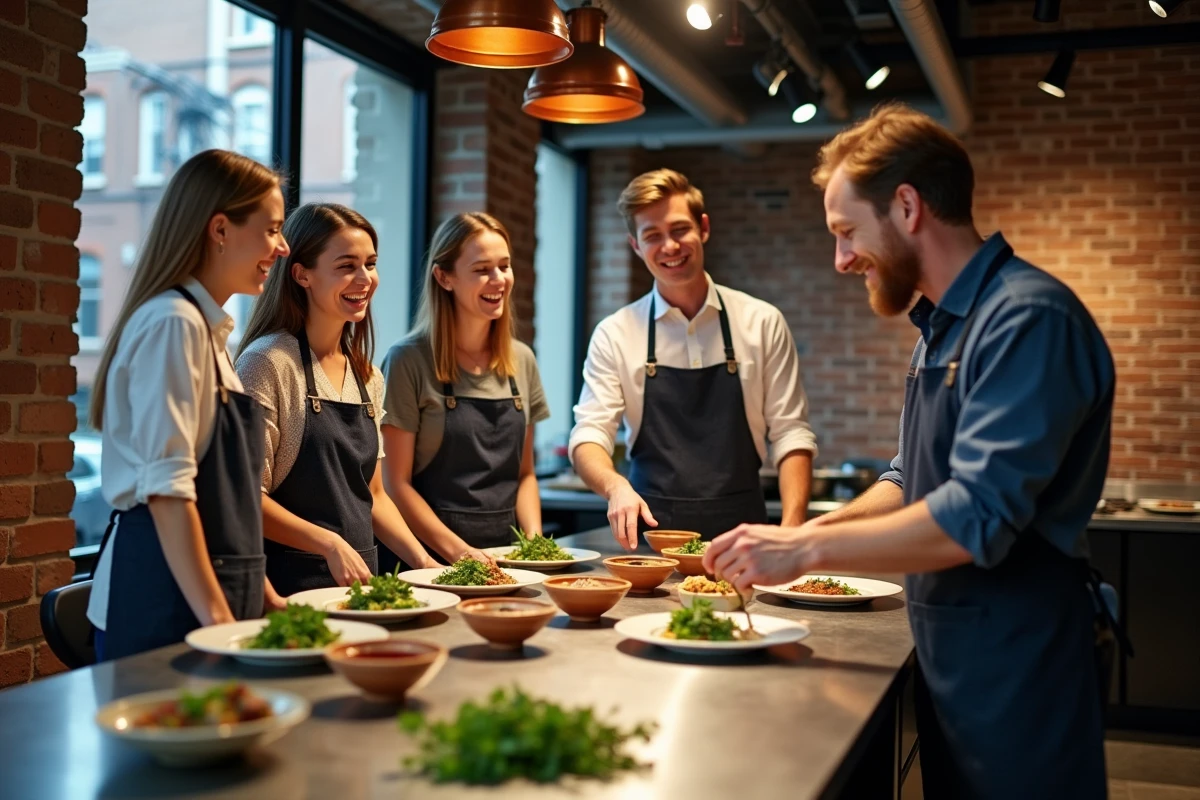
Homemade fermentation is gaining ground. Kimchi, miso, kombucha: these fermented products, long confined to specialty grocery stores, are now appearing on bistro menus and in workshops offered during gourmet events. Chefs participating in festivals like Omnivore in Paris systematically incorporate fermentation techniques into their demonstrations.
Artisanal bean-to-bar chocolate stands out as the most dynamic product category in recent fairs. The Salon du Chocolat, which remains the reference event for this sector, showcases artisans who master the entire chain, from bean to bar. This approach appeals to an audience willing to pay more for a traceable product.
What is emerging in street food festivals
The Lyon Street Food Festival and the Lille Street Food Festival share a common trend: cuisines from Southeast Asia and West Africa are taking an increasingly prominent place in the programming. You can find stands serving bao, reimagined jollof rice, and curry laksa, presented by young chefs who assert a specific culinary heritage rather than a vague fusion.
This evolution reflects a fundamental change in French gastronomy. Recipes travel, but the best results come from chefs who remain faithful to a technical tradition while adapting to the local products available in France.
- Baos filled with Breton farm pork or French forest mushrooms, adapted to the local terroir without betraying the original steamed dough technique.
- Spicy sauces produced in micro-batches by artisans based in the region, sold exclusively at these festivals before a potential wider distribution.
- Desserts made from alternative flours (tigernut, teff, sweet potato) that meet the growing demand for gluten-free recipes with a true taste identity.
Chefs and events in France: the meetings that shape the culinary scene
The Grand Repas, organized every autumn across France, remains a unique format. Its principle (the same menu served simultaneously in hundreds of locations) creates a sense of community that is hard to replicate. For food enthusiasts who want to participate actively rather than just taste, it is the most accessible format.
The Étoiles de Mougins, on the Côte d’Azur, occupy a different niche: direct encounters between starred chefs and the public in a village, far from the atmosphere of a professional trade show. The setting changes the relationship with the chef, who cooks outdoors in front of a small audience.
Feedback varies on this point, but the general trend shows that small-scale culinary events retain their audience better than large fairs. A festival with a few thousand visitors where you can interact with producers leaves a stronger impression than a fair where you shuffle between aisles.
The upcoming season promises hybrid formats combining tastings, workshops, and conferences on sustainable practices. For those closely following French gastronomy, the calendar now reads like a map of the transformations in the culinary world, not just a list of dates.