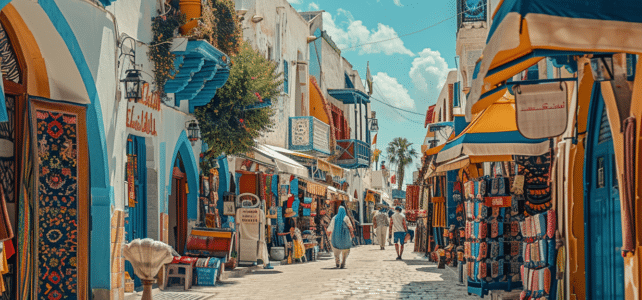
In 2021, the safety of tourist destinations became a major concern for travelers. Djerba, a Tunisian island popular for its sunny beaches and rich cultural heritage, is no exception to this heightened vigilance. The issue of safety in Djerba has gained particular importance due to recent events in the region. Local authorities and stakeholders in the tourism sector have redoubled their efforts to reassure visitors and ensure a peaceful experience. The measures implemented include enhanced security checks, increased police presence, and close collaboration with international travel agencies.
The specific risks in Djerba in 2021
Safety in Djerba in 2021 is marked by several dimensions that require increased vigilance from visitors. The state of emergency in effect since November 24, 2015, in Tunisia, following various events, including the 2002 attack, continues to shape the security landscape of the country and the island.Covid-19 has also had a significant impact on the safety of tourist destinations. The health restrictions and preventive measures put in place by the Tunisian authorities affect not only the mobility of travelers but also their perception of safety. Hichem Mahouachi, regional tourism commissioner for Djerba-Zarzis, emphasizes the importance of following health protocols to ensure a safe holiday in Djerba. The specific risks related to geographical areas are also prominent. The mountainous regions in the center-west harbor various terrorist activities. Terrorist organizations regularly threaten Western interests and nationals. The Saharan region near the borders with Libya and Algeria is particularly sensitive, necessitating additional precautions. Visitors should stay informed and follow the authorities’ guidelines to avoid any incidents during their Djerba danger holidays.
Security measures and recommendations for tourists
To ensure an enjoyable experience in Djerba, follow the safety recommendations made by local authorities and tourism experts. Vigilance is essential, especially in certain geographical areas and social contexts.
- Declare your cash currency upon entering Tunisia. The legislation allows for the re-export of up to the equivalent of 5,000 Tunisian dinars for non-residents.
- Avoid walking with valuables or bags in the evenings in city centers and peripheral neighborhoods.
- Opt for crossbody bags or backpacks to reduce the risk of snatching.
- Keep your important documents, such as your passport or ID card, in your hotel safe.
- Report any loss or theft to the nearest police station.
- Inform the French embassy in Tunis in case of loss or theft.
- Be cautious while shopping, especially if paying in cash. Beware of street touts and negotiate prices.
Jalel Eddine Henchiri, vice president of the Tunisian Hotel Federation, emphasizes that public street crime is relatively controlled, but it is always wise to follow these recommendations to avoid any inconvenience. Tourists should also avoid areas located less than 30 kilometers from the borders with Algeria and less than 40 kilometers from the border with Libya. Adopt modest clothing to respect local cultural sensitivities. Clothing that is too short, tight, or revealing should be avoided. This precaution not only respects local customs but also reduces the risk of harassment and assaults.